
Watch the Full Episode
Who Really Gets Represented
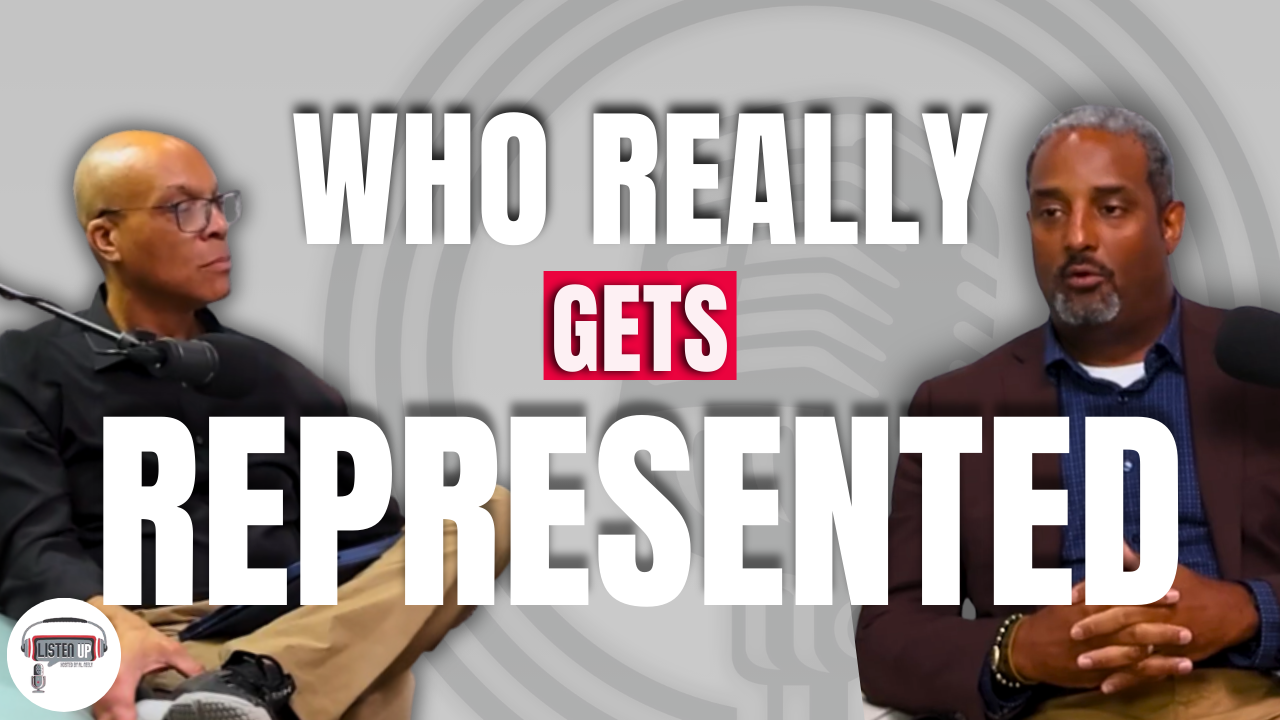
In this episode of ListenUp Podcast, we explore who really gets represented in Virginia Beach. Also, how voting systems shape accountability, resources, and community trust. Sean Monterio joins Al Neely to break down local governance, district representation, and the real-world impact of fair elections.
As a retired Air Force colonel and chairperson of the Virginia Beach Democratic Party Committee, Monterio brought a service-driven perspective to civic leadership. He explains why representation is not a partisan issue. It was a people’s issue rooted in proximity, responsibility, and lived experience.
In this episode, we discuss:
• What equal representation really means at the local level
• The difference between district-based and at-large voting systems
• The 10-1 referendum matters to neighborhoods
• Accountability, resource allocation, and infrastructure equity
• How community trust will grow when leaders know who they serve
You may also enjoy our episode Stories That Move a City with Councilman Cash Green.
Learn more about how district-based representation works under the Voting Rights Act.
Find more on district representation nationally.
Transcript: Who Really Gets Represented
Introduction to Equal Representation in Virginia Beach
Al Neely: Welcome to ListenUp. In this episode, we’re asking an important question—who really gets represented in local government? I’m joined by Sean Monterio to talk about voting rights, district representation, and accountability in Virginia Beach.
Sean Monterio: Thank you for having me. Representation matters because it determines who has a voice. When council members live in the neighborhoods they serve, they understand the real issues people face every day.
Al Neely: A lot of the conversation centers on the 10-1 district system.
Sean Monterio: That system is ensuring each district elects its own representative. It’s about proximity and accountability. You know who represents you, and they know who they work for.
Al Neely: How does that affect resources and development?
Sean Monterio: It creates balance. Without fair representation, some areas receive more attention while others are overlooked. District representation helps address issues like flooding, infrastructure, and community investment more evenly.
Al Neely: You also talked about community policing and familiarity.
Sean Monterio: When you know people by name, trust changes behavior. That applies to policing and governance alike. Representation works best when leaders truly know their communities.
Al Neely: This conversation really highlights why voting systems matter.
Sean Monterio: Exactly. When voices are diluted, democracy weakens. Fair representation strengthens communities and makes government more responsive.
Al Neely: Sean, thank you for sharing your insight and perspective.
Related Episodes:
Share This Story, Choose Your Platform!
LISTEN NOW